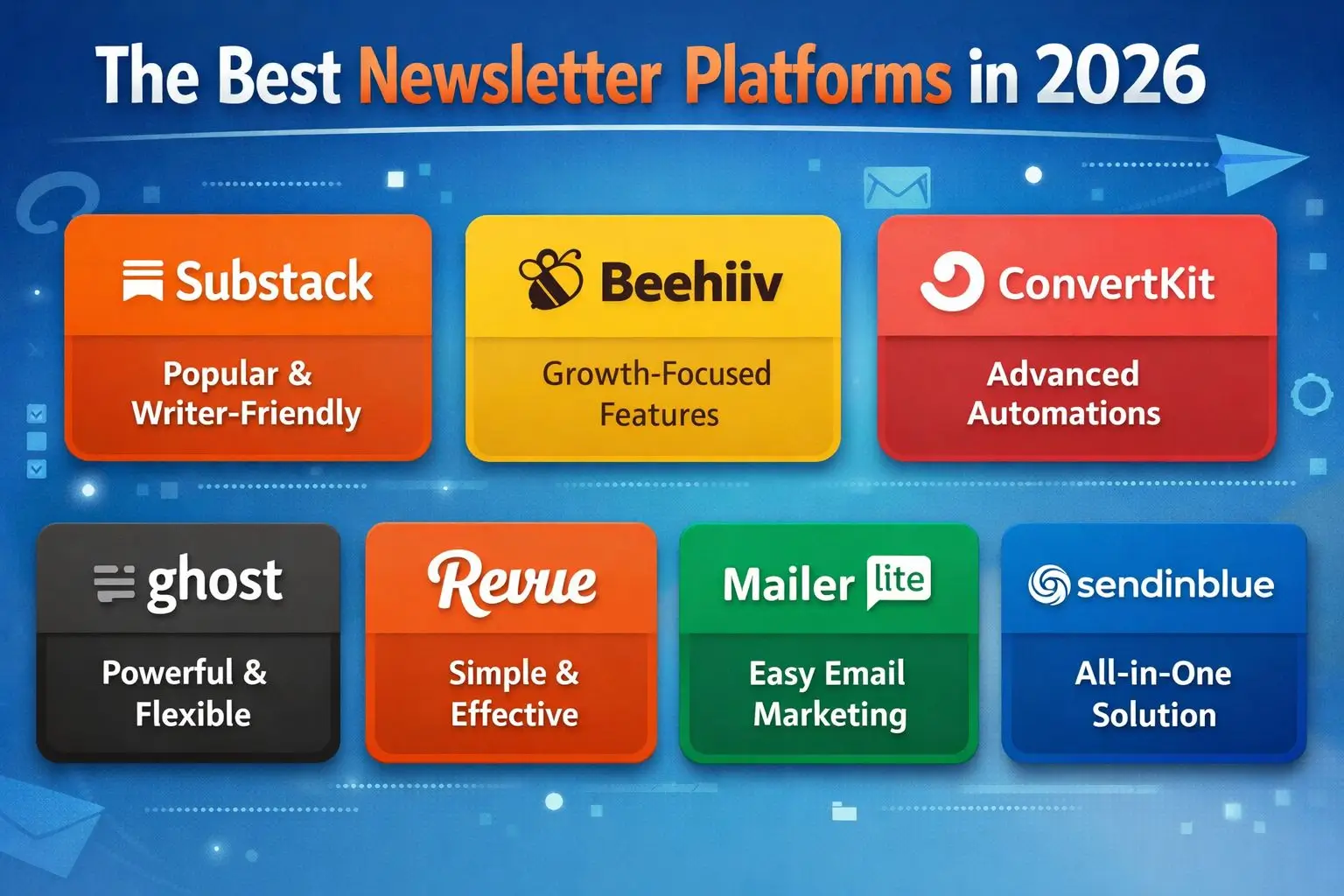
Best newsletter platforms for each role: Beehiiv for Monetization and fast growth, Substack for personal brand building, Kit (Formerly ConvertKit) for selling digital products, MailerLite for budget-conscious beginners, Mailchimp for businesses already running email campaigns, and Ghost for independent publishers who want full content ownership.
Key Takeaways
- Beehiiv and Substack lead the pack in 2026 for monetization speed, but the “best” platform depends entirely on whether you’re building a side hustle, a media brand, or a sales funnel.
- Deliverability now matters more than design. Gmail and Yahoo’s stricter sender requirements mean a platform’s inbox placement rate can make or break your open rates.
- AI-powered drafting, subject line testing, and send-time optimization are no longer premium add-ons. Most top platforms bake them into free or entry-level plans.
- Switching platforms doesn’t have to cost you subscribers if you follow the right export and re-confirmation steps (more on that later in this guide).
- Tools like The Non Tech AI are helping non-technical creators compare platform features without getting lost in jargon, something worth checking before you commit to a monthly plan.
Picking a newsletter platform in 2026 feels a bit like picking a phone carrier back in 2015. Everyone swears by a different one, the pricing pages are confusing on purpose, and switching later is a headache nobody wants. I’ve tested most of the major players firsthand over the past year, moved subscriber lists between three different platforms, and watched open rates swing by double digits just from a platform switch.
That experience is exactly why I built this guide. If you’re a solo creator, a small business owner, or a marketer managing multiple newsletters, the right platform affects your revenue, not just your workflow. Resources like The Non Tech AI have also been useful for breaking down which tools actually simplify newsletter growth versus which ones just add more dashboards to click through.
Article at a Glance
This guide ranks the six newsletter platforms worth your time in 2026, based on monetization tools, deliverability performance, AI features, and pricing transparency. You’ll find a side-by-side comparison table, a breakdown of free versus paid plans, and a step-by-step process for migrating your list without losing subscribers along the way.
Why Your Newsletter Platform Choice Matters More in 2026
Email isn’t dying, it’s getting pickier. Gmail and Yahoo rolled out stricter bulk sender requirements in 2024, and those rules have only tightened since. Platforms with poor shared IP reputations now see entire campaigns routed straight to spam, regardless of how good your subject line is. According to Google’s bulk sender guidelines, authentication protocols like SPF, DKIM, and DMARC are now mandatory for anyone sending over 5,000 emails a day, and that threshold keeps catching smaller senders off guard. Choosing a platform that handles this technical setup for you isn’t a luxury anymore, it’s the baseline.
What to Look for in a Newsletter Platform This Year
Not every newsletter platform is built for the same job. Some are optimized for publishers chasing subscription revenue, others for marketers running product launches, and a few try to do everything at once, usually at a cost to simplicity. Before comparing specific tools, it helps to know which features actually move the needle versus which ones just look good on a sales page.
Deliverability Rates and Sender Reputation
A platform’s deliverability rate tells you what percentage of your emails actually land in the inbox instead of spam or promotions tabs. This depends on shared IP reputation, authentication setup, and how aggressively the platform manages spam complaints from other users on the same servers. Dedicated IP options, available on most mid-tier plans now, give you more control but require enough sending volume to maintain a healthy reputation on your own.
Monetization Tools Like Paid Subscriptions and Ads
If turning readers into paying subscribers is the goal, look for native paywalls, tiered subscription pricing, and built-in ad networks. Beehiiv and Substack both offer ad marketplaces that connect creators with sponsors automatically, something that used to require manual outreach and a lot of cold emails.
Built-In AI Writing and Automation Features
AI tools have moved from novelty to necessity. Subject line A/B testing, send-time optimization based on subscriber behavior, and draft generation are now standard across most platforms reviewed here. The difference in 2026 isn’t whether a platform has AI features, it’s whether those features actually save time or just add another box to configure.
Audience Ownership and Data Portability
This one gets overlooked until it’s too late. Some platforms make it easy to export your full subscriber list, including engagement history and tags. Others lock that data behind higher-tier plans or strip out key fields during export, making a future migration painful. Always check a platform’s export policy before you build an audience of 10,000 people on top of it.
1. Beehiiv: Best for Monetization and Fast Growth
Beehiiv built its entire platform around the idea that newsletters should make money, not just collect subscribers. Launched by former Morning Brew employees, it’s grown into the go-to choice for creators who want paid subscriptions, sponsorship marketplaces, and referral programs without stitching together three separate tools.
Key Features That Set It Apart
The built-in Ad Network connects writers directly with sponsors based on audience size and niche, cutting out the cold pitch process entirely. Beehiiv also offers a referral program that rewards subscribers for sharing your newsletter, plus a polished analytics dashboard that tracks open rates, click patterns, and subscriber growth by source. Its drag-and-drop editor supports custom domains and even lets you launch a full website around your newsletter, something most competitors charge extra for.
Pricing Overview
Beehiiv’s free plan supports up to 2,500 subscribers with most core features unlocked, which is generous compared to similar platforms. Paid tiers start around $34 a month and scale based on subscriber count, unlocking advanced automations, custom branding, and priority support as your list grows.
2. Substack: Best for Writers Building a Personal Brand
Substack turned newsletter writing into a legitimate media career for thousands of independent journalists and essayists. Its appeal has never been flashy features, it’s the built-in discovery network that helps new writers get found by readers already subscribed to similar newsletters.
Key Features That Set It Apart
Substack’s recommendation engine lets writers cross-promote each other, often driving meaningful subscriber growth without any paid advertising. The platform also handles podcast hosting and video posts natively, which matters for writers expanding into multimedia content. Paid subscriptions are simple to set up, and Substack takes a flat 10% cut of subscription revenue rather than charging a monthly fee.
Pricing Overview
Substack itself is free to use for publishing, and writers only pay once they turn on paid subscriptions, at which point Substack takes its 10% cut plus standard payment processing fees through Stripe.
3. Kit (Formerly ConvertKit): Best for Creators Who Sell Products
Kit rebranded from ConvertKit in 2024 but kept its core strength: deep automation built for creators selling digital products, courses, or memberships alongside their newsletter.
Key Features That Set It Apart
Visual automation builders let you tag subscribers based on behavior, like clicking a specific link or purchasing a product, then route them into targeted email sequences automatically. Kit also includes a built-in commerce feature for selling digital downloads directly through email, skipping the need for a separate storefront tool. Its segmentation options go deeper than most competitors, which matters once your list passes a few thousand subscribers with varied interests.
Pricing Overview
Kit’s free plan covers up to 10,000 subscribers with basic automation, a rare offer in this space. Paid plans start at $25 a month for the Creator tier and climb based on list size and advanced automation needs.
4. Mailchimp: Best for Businesses Already Running Email Campaigns
Mailchimp remains the default choice for small businesses that need newsletters as one piece of a broader marketing stack rather than the main event. Its strength isn’t newsletter-specific features, it’s the integration with CRM tools, e-commerce platforms, and social ad campaigns that larger teams already rely on.
Pricing Overview
Mailchimp’s free plan allows up to 500 contacts with limited sends per month. Paid plans start around $13 a month for the Essentials tier and scale sharply as contact counts and feature needs increase, which can get expensive fast for larger lists.
5. Ghost: Best for Independent Publishers Who Want Full Ownership
Ghost takes a different approach than the rest of this list. It’s open-source software you host yourself (or through Ghost Pro), which means no platform ever owns your content, subscriber data, or revenue relationship.
Key Features That Set It Apart
Because Ghost isn’t tied to a single company’s business model, there’s no algorithm deciding who sees your content and no built-in ad marketplace taking a cut. It includes native membership and subscription tools, a clean publishing interface built for long-form writing, and full control over your site’s design through themes and custom code.
This independence comes with a tradeoff though. Ghost requires more technical setup than Beehiiv or Substack, and there’s no built-in discovery network to help new writers find an audience organically.
Pricing Overview
Self-hosting Ghost is free aside from server costs, typically $5 to $20 a month depending on traffic. Ghost Pro, the managed hosting option, starts at $9 a month for small publications and increases based on subscriber count and traffic volume.
For publishers who’ve already built an audience elsewhere and want to migrate to a platform they fully control, Ghost often makes sense as a long-term home rather than a starting point.
6. MailerLite: Best Budget-Friendly Option for Beginners
MailerLite strips away the complexity that intimidates first-time newsletter senders. Its drag-and-drop builder, straightforward automation setup, and generous free tier make it a practical starting point for anyone testing whether newsletters are worth their time at all.
Pricing Overview
MailerLite’s free plan supports up to 1,000 subscribers and 12,000 monthly emails, which is enough runway for most beginners to figure out their content strategy before paying anything. Paid plans start at roughly $9 a month once you outgrow those limits, making it one of the more affordable upgrade paths in this list.
Deliverability on MailerLite tends to hold up well for small to mid-sized lists, though heavy senders report occasional throttling during high-volume campaigns, a tradeoff of shared infrastructure on lower-tier plans.
Newsletter Platform Comparison at a Glance
Scanning six platforms one by one is useful, but sometimes you just need the numbers side by side. Here’s how the core details stack up.
| Platform | Free Plan Limit | Starting Paid Price | Best For |
|---|---|---|---|
| Beehiiv | 2,500 subscribers | $34/mo | Monetization and fast growth |
| Substack | Unlimited (free to publish) | 10% of subscription revenue | Personal brand building |
| Kit | 10,000 subscribers | $25/mo | Selling digital products |
| Mailchimp | 500 contacts | $13/mo | Businesses with existing email marketing |
| Ghost | Self-hosted (server costs only) | $9/mo (Ghost Pro) | Full content ownership |
| MailerLite | 1,000 subscribers | $9/mo | Budget-conscious beginners |
Pricing changes often, so it’s worth double-checking each platform’s current rates before committing, especially since most of these companies adjust tiers as subscriber thresholds shift.
How to Choose the Right Platform for Your Goals
There’s no universal “best” platform here, only the best fit for what you’re actually trying to accomplish over the next twelve months. A few quick scenarios make the decision easier than scrolling through another ten review sites.
If You Want to Monetize Your List Fast
Beehiiv or Substack are the clear front-runners. Both include built-in paid subscription tools and ad marketplace access, meaning you can start generating revenue without building monetization infrastructure from scratch.
If You Need Advanced Automation and Segmentation
Kit’s tagging and automation system handles complex subscriber journeys better than most alternatives, particularly for creators selling courses or digital products alongside their newsletter content.
If You’re Just Starting Out With Zero Budget
MailerLite or Substack make the most sense here. Both let you publish consistently and build an audience before committing any money, which matters most in the first few months when you’re still figuring out your content niche.
Free vs Paid Plans: What You Actually Get
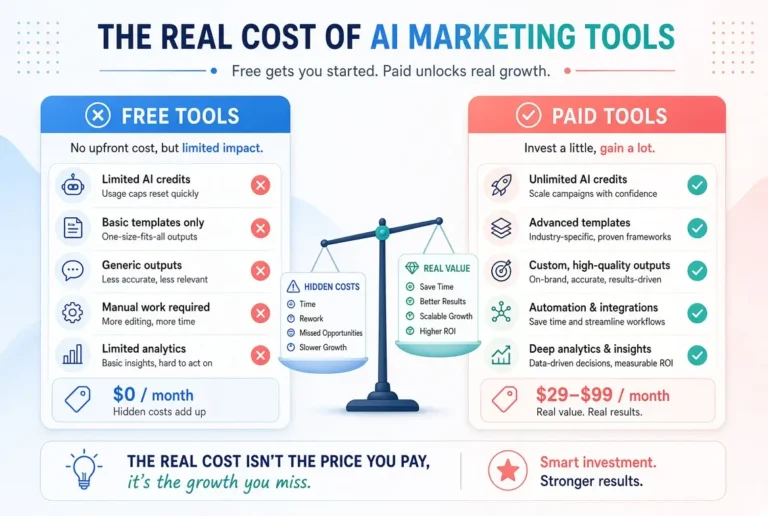
Free plans in 2026 are more generous than they were even two years ago, but they’re generous for a reason: platforms want you hooked before your list outgrows the limits. Most free tiers cap you on subscriber count, monthly sends, or both, and strip out advanced automation, custom domains, and priority deliverability support. Beehiiv and Kit both offer surprisingly usable free plans that let you test monetization features before paying a cent, which isn’t something Mailchimp has matched at its lower tiers.
The real cost difference between AI tools shows up once you’re monetizing. Paid plans unlock dedicated IPs, advanced segmentation, and in some cases, better customer support response times, which matters a lot when a send goes out wrong at 6 a.m. and you need help fast. If you’re still deciding whether newsletters fit into your broader content strategy, resources like The Non Tech AI break down which paid features are worth the upgrade versus which ones you can skip until your list actually needs them.
How AI Tools Are Changing Newsletter Creation in 2026
AI stopped being a gimmick in newsletter tools around 2024, and by now it’s woven into nearly every stage of the writing and sending process. The shift isn’t about replacing writers, it’s about cutting down the repetitive parts of the job: drafting subject lines, formatting content for mobile, and figuring out the best send time for each individual subscriber based on their past open behavior.
Writing, Editing, and Subject Line Testing With AI
Most major platforms now include AI subject line generators that suggest multiple variations based on your content, then run automatic A/B tests to see which version performs best before sending to your full list. Beehiiv and Kit both offer this natively, while Mailchimp’s AI tools lean more toward content block suggestions and layout recommendations. According to Litmus’s State of Email research, subject line testing remains one of the highest-impact, lowest-effort optimizations available to email senders, which is likely why platforms keep investing in automating it.
Send-time optimization has also matured past simple time-zone guessing. Platforms now track individual subscriber open patterns and stagger sends so each person receives your email when they’re statistically most likely to open it, sometimes shifting delivery by several hours across a single list without the sender doing anything manually.
Migrating Your Newsletter Without Losing Subscribers
Switching platforms sounds scarier than it actually is, provided you follow the right order of operations. I’ve moved a list of over 8,000 subscribers between platforms twice now, and both times the biggest risk wasn’t technical, it was rushing the re-confirmation step and losing engaged readers who missed the transition email entirely.
Export Your Subscriber List Correctly
Before touching anything, export your full subscriber list including tags, engagement history, and signup dates, not just email addresses. Some platforms strip out engagement data during export unless you specifically request a full CSV, which matters later for re-segmenting your audience on the new platform.
Set Up Redirects and Re-Confirm Opt-Ins
Once your new platform is ready, send a clear transition email from your old platform explaining the move, then follow up with a welcome email on the new platform within 48 hours. Some senders choose to re-confirm opt-ins outright to protect deliverability on the new domain, which can shrink your list short-term but tends to improve open rates with a cleaner, more engaged audience afterward.
The Best Platform Is the One You’ll Actually Use Every Week
It’s tempting to chase the platform with the most features, but consistency beats feature count every time. A newsletter sent weekly on MailerLite will outperform a newsletter sent sporadically on a flashier, more expensive platform.
Pick based on your actual goals this year, not the goals you hope to have eventually, and switch later if your needs change. Migration is a solvable problem; an abandoned newsletter isn’t.
Frequently Asked Questions
Which newsletter platform is best for complete beginners?
MailerLite and Substack are the easiest starting points for beginners in 2026. MailerLite offers a simple drag-and-drop editor with a generous free tier, while Substack removes the technical setup entirely and lets you focus purely on writing and publishing from day one.
Can I switch newsletter platforms without losing my subscribers?
Yes, switching platforms without losing subscribers is possible if you export your full list correctly and send clear transition communication before and after the move. The key risk is subscribers missing the announcement entirely, so sending multiple reminders across both platforms during the transition period helps protect your numbers.
Do I need to pay for a newsletter platform to start making money?
No, several platforms including Substack and Beehiiv let you start monetizing on their free tiers through paid subscriptions or ad marketplace access. You typically only start paying once your list grows past a certain size or you need advanced automation features.
How do newsletter platforms make money from free plans?
Newsletter platforms on free plans usually make money by taking a percentage cut of your paid subscription revenue, as Substack does with its 10% fee, or by capping free features so users naturally upgrade once their list or sending needs grow. Some platforms also profit from payment processing fees tied to subscriber transactions.
What’s the difference between an email marketing tool and a newsletter platform?
Email marketing tools like Mailchimp are built around campaigns, automation sequences, and e-commerce integrations for businesses selling products. Newsletter platforms like Substack and Beehiiv are built specifically around regular content publishing, audience growth, and direct reader monetization, which changes which features get prioritized in each tool.
Whichever platform you choose, the fundamentals stay the same: show up consistently, know your audience, and let the tool handle the technical heavy lifting so you can focus on writing something worth opening, and if you want help cutting through the noise on which tools actually deliver, The Non Tech AI is a solid place to keep learning.