If you’re still writing every blog post, email sequence, and ad from a blank page in 2026, you’re working harder than you need to. AI copywriting tools have moved far past clunky sentence generators that sound robotic and repetitive.
The best ones now study your brand voice, pull in real-time SEO data, and draft content that reads like a human wrote it after their coffee kicked in.
If you’re a blogger or marketer trying to keep up with publishing demands without burning out, picking the right tool matters more than ever. Resources like The Non-Tech AI have become go-to spots for creators who want to understand these tools without needing a computer science degree first.
Key Takeaways
- ChatGPT, Claude, Jasper AI, Copy.ai, Writesonic, Surfer AI, and Grammarly Go lead the pack as the best AI copywriting tools for bloggers and marketers in 2026.
- Brand voice training and SEO integration now separate top-tier tools from basic text generators.
- Google continues to reward helpful, people-first content regardless of whether AI assisted in drafting it, but quality control still falls on the writer.
- Platforms like The Non-Tech AI help non-technical marketers understand which tools actually fit their workflow instead of chasing every new release.
- Stick around to see exactly which tool matches which content type, because using one AI platform for everything is one of the biggest mistakes creators make.
Why AI Copywriting Tools Matter More in 2026
Content demands haven’t slowed down, but the teams producing it often have. Marketers are expected to publish more blog posts, more email campaigns, and more social captions than they were three years ago, usually without extra headcount. AI copywriting tools fill that gap by handling first drafts, research summaries, and even headline testing, freeing up human writers to focus on strategy and editing instead of staring at a cursor.
The Shift From Generic AI Text to Brand-Specific Voice
Early AI writing tools produced text that sounded similar no matter who used them. That’s changed. Jasper AI and Copy.ai now let users upload past content so the AI learns tone, vocabulary, and sentence rhythm specific to a brand. This shift matters because audiences can smell generic AI copy from a mile away, and it hurts trust faster than it builds engagement.
What Google Search Central Says About AI-Generated Content
Google has been clear that it doesn’t penalize content simply because AI helped create it. According to Google Search Central’s guidance on AI-generated content, the focus is on whether content demonstrates expertise and serves the reader, not on the method of production. That means using AI copywriting tools is fine, but publishing unedited, low-value drafts still carries the same ranking risk it always has.
How to Choose the Right AI Copywriting Tool for Your Work
Not every AI writing tool fits every job. Picking based on hype or a flashy demo video usually leads to wasted subscription money and frustrated writers.
Match the Tool to Your Content Type
A tool built for punchy ad copy won’t necessarily handle a 2,500-word pillar blog post well, and vice versa. Before committing to a platform, map out what you actually write most often, whether that’s long-form articles, email sequences, product descriptions, or social captions.
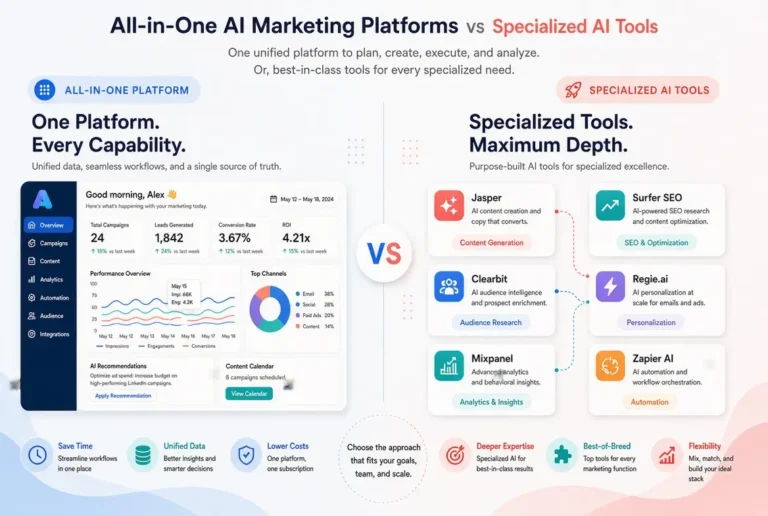
This step alone saves marketers from the common trap of buying an expensive all-in-one plan when a cheaper, specialized tool would’ve done the job better.
Check for Built-In SEO and Research Features
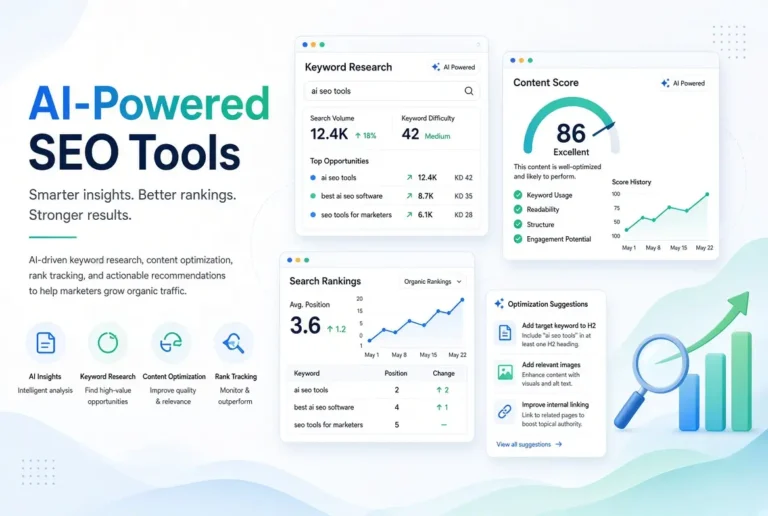
Bloggers especially benefit from tools that pull keyword data, competitor analysis, and SERP insights directly into the writing interface. Surfer AI and Writesonic build this in natively, which cuts down on the back-and-forth between a writing tool and a separate SEO platform.
Test the Free Plan Before You Commit to a Subscription
Almost every major AI copywriting tool offers a free trial or limited free tier in 2026. Use it to draft the type of content you’ll actually need weekly, not just a quick test paragraph. A tool might feel impressive on a sample blog intro but fall apart when asked to maintain structure across a full 1,800-word guide.
1. ChatGPT for Versatile, All-Purpose Writing
ChatGPT, built by OpenAI, remains one of the most flexible tools available for bloggers and marketers who need a jack-of-all-trades assistant. It handles everything from brainstorming headlines to drafting full articles, answering reader questions, and even rewriting dense technical content into something more approachable.
Its biggest strength is adaptability. Whether you’re writing a product launch email or outlining a listicle, ChatGPT can pivot formats quickly with the right prompts.
Best Use Cases for Bloggers and Marketers
Bloggers tend to use ChatGPT for outlining posts, generating meta descriptions, and summarizing research. Marketers lean on it for campaign brainstorming, social captions, and quick A/B testing of ad headlines. It’s also handy for repurposing one long blog post into five or six shorter social snippets.
Where It Falls Short on Brand Voice
Without custom instructions or fine-tuning, ChatGPT’s default tone can feel a bit neutral and corporate. It doesn’t automatically remember your brand’s specific phrasing habits across sessions unless you’re using a paid plan with memory features enabled, which means writers often need to do more manual editing to make the output sound distinctly like their brand.
2. Claude for Long-Form Blog Posts and Natural Tone
Claude, developed by Anthropic, has earned a strong reputation among bloggers specifically for how natural its long-form writing sounds. It tends to avoid the overly enthusiastic, exclamation-heavy tone that plagued earlier AI models, which makes editing faster since there’s less robotic language to strip out.
Writers who need to produce in-depth guides, comparison articles, or detailed how-to content often find Claude handles nuance better than competitors. It’s particularly good at maintaining a consistent argument or narrative thread across a long piece instead of drifting off-topic halfway through.
Several features make Claude a strong pick for content-heavy blogs:
- Large context windows that allow it to reference earlier parts of a long document without losing track of details
- A more conversational default tone that requires less heavy editing before publishing
- Strong performance on nuanced topics that require balancing multiple viewpoints fairly
Why Longer Context Windows Help With Full Articles
A context window determines how much text an AI model can “remember” at once during a conversation or drafting session. Claude’s larger context windows mean it can hold an entire outline, source material, and draft sections in memory simultaneously, which reduces the repetition and contradiction issues that smaller-context models sometimes produce in long documents.
Bloggers writing comparison posts, ultimate guides, or anything over 2,000 words often report needing fewer editing passes with Claude compared to tools with shorter memory limits.
That said, Claude isn’t as widely integrated with marketing-specific templates as some competitors, so marketers focused on ad copy or email sequences may still want a secondary tool in their stack.
3. Jasper AI for Brand Voice Consistency at Scale
Jasper AI has built its entire reputation around one core problem: keeping content consistent when multiple writers or team members are producing it.
Brand Voice Training Feature Explained
Jasper’s Brand Voice feature lets you upload existing content, style guides, and even sample emails so the AI learns your specific phrasing patterns, preferred vocabulary, and sentence structure. Once trained, it applies that voice consistently whether you’re generating a blog intro or a LinkedIn caption. Agencies managing multiple client accounts find this particularly useful since they can switch between several trained voice profiles without manually re-explaining tone guidelines every time.
Team Collaboration Tools for Marketing Agencies
Jasper also built out workspace features that let multiple team members work from shared templates, brand guidelines, and approved messaging. This matters for agencies juggling several clients at once, since it cuts down on the miscommunication that happens when one writer uses a different tone than another on the same account.
Pricing sits on the higher end compared to ChatGPT or Copy.ai, which makes Jasper a better fit for teams and agencies rather than solo bloggers working with a tight budget. The investment tends to pay off fastest when three or more people are producing content under one brand umbrella.
4. Copy.ai for Fast Marketing Copy and Templates
Copy.ai built its name on speed. Rather than asking users to craft detailed prompts from scratch, it offers hundreds of pre-built templates designed for specific marketing tasks, from Facebook ad headlines to cold outreach emails.
Marketers running multiple campaigns at once tend to favor Copy.ai because it reduces the time spent figuring out how to phrase a prompt. Instead, you pick a template, fill in a few details about your product or audience, and get several variations to choose from within seconds.
Pre-Built Templates for Ads, Emails, and Captions
The template library covers a wide range of needs: Instagram captions, Google Ads headlines, product descriptions, welcome email sequences, and even elevator pitches. Each template is structured around proven copywriting formulas, which helps newer marketers who aren’t yet confident writing persuasive copy from a blank slate.
5. Writesonic for SEO-Focused Blog Content
Writesonic positions itself specifically for bloggers chasing search rankings, not just general content creation. It blends AI drafting with keyword research tools baked directly into the writing interface, so you’re not jumping between five different browser tabs to check search volume or competitor rankings.
The platform also includes an Article Writer feature that generates full blog posts based on a target keyword, complete with suggested headings pulled from top-ranking pages. This doesn’t replace the need for original insight or firsthand experience in the final draft, but it does speed up the research and structuring phase significantly.
Keyword and SERP Analysis Integration
Writesonic pulls data on search intent, related keywords, and competitor content gaps, then suggests how to structure headings around that information. Bloggers who’ve struggled with the research side of SEO content often find this integration shaves hours off their weekly publishing workflow.
6. Surfer AI for Content Built to Rank
Surfer AI takes a more technical approach, focusing heavily on on-page optimization rather than just drafting speed. It analyzes top-ranking pages for a target keyword and generates a content outline with specific word count targets, heading suggestions, and keyword density recommendations built right in.
This makes Surfer AI a strong choice for bloggers and SEO specialists who want data backing every structural decision, rather than relying purely on instinct or general best practices.
Content Score and On-Page Optimization
As you write within Surfer’s editor, it assigns a live content score based on how well your draft aligns with ranking factors like keyword usage, heading structure, and content length compared to top competitors. According to Moz’s overview of SEO fundamentals, on-page factors like these remain a core part of how search engines evaluate relevance, which is exactly what Surfer’s scoring system is built to track in real time.
Writers who prefer a more guided approach to SEO content often find this scoring system reduces guesswork, especially when optimizing older blog posts that need a ranking refresh rather than a full rewrite.
7. Grammarly Go for Editing and Tone Polishing
Grammarly Go isn’t designed to write full drafts from scratch the way Jasper or Copy.ai does. Instead, it specializes in refining content that’s already been written, whether by a human or another AI tool, catching tone inconsistencies, wordiness, and clarity issues that slip through initial drafts.
This makes it less of a standalone copywriting tool and more of a quality control layer that fits into an existing workflow. Many bloggers run their AI-generated drafts through Grammarly Go as a final polish step before publishing.
How It Refines AI Drafts From Other Tools
Grammarly Go can adjust tone on command, tightening casual language for a professional blog post or loosening formal phrasing for a more conversational brand voice. It also flags redundant phrases and overly complex sentences, both common issues in raw AI output that hasn’t been edited yet.
AI Copywriting Tools Compared Side by Side
With seven solid options on the table, comparing them directly makes the decision easier.
| Tool | Best For | Standout Feature | Ideal User |
|---|---|---|---|
| ChatGPT | General versatility | Adapts across content formats | Solo bloggers, mixed content needs |
| Claude | Long-form articles | Large context window | In-depth guide writers |
| Jasper AI | Brand consistency at scale | Trained Brand Voice profiles | Agencies, marketing teams |
| Copy.ai | Fast marketing copy | Template library | Marketers running multiple campaigns |
| Writesonic | SEO blog content | Built-in keyword research | SEO-focused bloggers |
| Surfer AI | Ranking optimization | Live content scoring | SEO specialists |
| Grammarly Go | Editing and polish | Tone adjustment tools | Anyone finalizing AI drafts |
Notice none of these tools claim to do everything perfectly. That’s intentional, since each one was built to solve a specific bottleneck in the content creation process rather than compete on being the single best all-purpose option.
Which Tool Fits Which Content Type
Matching the tool to the task saves both time and subscription money. For quick social captions and ad copy, Copy.ai’s templates get you to a usable draft faster than starting from scratch in ChatGPT. For a 3,000-word pillar guide meant to rank on Google, Writesonic or Surfer AI will give you the SEO scaffolding Claude and ChatGPT don’t automatically provide. And for any content heading toward publication, running it through Grammarly Go as a final step catches the small inconsistencies that make AI writing feel, well, AI-written.
How to Use AI Copywriting Tools Without Losing Your Voice
The biggest risk with any AI copywriting tool isn’t that it writes badly, it’s that it writes generically. Readers can tell when content lacks a distinct perspective, and that erodes trust over time even if the grammar is flawless.
Edit Every Output Before You Hit Publish
No AI draft should go live untouched, period. Even the best tools occasionally produce factual errors, outdated statistics, or phrasing that doesn’t match how you’d actually talk to your audience. Treat every AI output as a first draft from a junior writer, not a finished product ready to ship.
A few quick editing habits make a noticeable difference in quality:
- Read the draft out loud to catch awkward phrasing the AI wouldn’t notice on its own
- Add a personal example, statistic, or anecdote the AI couldn’t have known about
- Cut any sentence that sounds like it could’ve been written about any brand, not specifically yours
This step is also where firsthand expertise matters most. AI tools can summarize existing information well, but they can’t replace lived experience, which is exactly the kind of detail that builds reader trust and search engine credibility alike.
Choosing the right AI copywriting tool in 2026 comes down to knowing your content type, testing before you commit, and never skipping the human editing pass. The Non-Tech AI continues to break down tools like these for marketers who’d rather spend time creating than troubleshooting software, so give it a look next time you’re deciding what belongs in your content stack.
Feed the AI Examples of Your Own Past Writing
Most AI copywriting tools get noticeably better once you give them samples of your own published content. Paste in three or four of your best-performing blog posts before asking for a new draft, and the output will start picking up on sentence rhythm, favorite phrases, and even how you tend to open or close a piece. This small habit does more for voice consistency than any setting buried in a tool’s menu.
Combine AI Drafts With Human Fact-Checking
AI models occasionally present outdated statistics or confidently state something that simply isn’t true anymore, a pattern often called hallucination. Before publishing anything with specific numbers, dates, or claims about a product or industry, verify it against a current, reliable source. This matters even more for topics like health, finance, or legal advice, where an AI’s confident tone can mask an inaccurate fact.
Common Mistakes Bloggers Make With AI Writing Tools
Even experienced marketers fall into predictable traps once an AI tool makes drafting feel almost too easy.
Publishing Without Editing First
This is the single most common mistake, and it’s also the easiest to fix. An unedited AI draft often repeats ideas, uses vague transition phrases, or lacks the specific examples that make content genuinely useful. Build a short editing checklist into your workflow so no draft skips this step, even when you’re on a tight deadline.
Skipping Plagiarism and Originality Checks
AI tools pull patterns from massive datasets, and while true copy-paste plagiarism is rare, phrasing can sometimes land closer to existing content than expected. Running drafts through an originality checker before publishing protects both your SEO standing and your credibility with readers.
Relying on One Tool for Every Content Type
Using ChatGPT for everything from ad copy to long-form guides might feel convenient, but it usually produces weaker results than matching each task to the tool built for it. A blogger writing SEO-heavy guides, email newsletters, and Instagram captions in the same week will likely get better output from three different tools than one tool stretched across three very different jobs.
Diversifying your toolkit doesn’t mean overspending either. Many creators run one paid subscription for long-form content, like Writesonic or Surfer AI, alongside a free-tier tool like ChatGPT for quick brainstorming and social captions.
Where to Keep Learning About AI Tools for Content Creators
AI copywriting tools update their features constantly, and what’s considered best practice today might shift within a few months. Following reputable, up-to-date resources helps you avoid wasting time on outdated advice or discontinued features. Sites built specifically for non-technical marketers, rather than developers, tend to explain new tool updates in terms that actually apply to day-to-day blogging and marketing work.
The Bottom Line on Choosing Your AI Copywriting Stack in 2026
There’s no single best AI copywriting tool for every blogger or marketer, and anyone claiming otherwise probably hasn’t tested enough of them. The right stack depends on your content mix, your team size, and how much weight you put on SEO versus brand voice versus raw drafting speed. Start with one tool that solves your biggest current bottleneck, whether that’s long-form drafting, SEO research, or ad copy templates, then add a second tool once you’ve mastered the first.
Frequently Asked Questions
Can AI Copywriting Tools Replace Human Writers Completely?
No. AI copywriting tools are excellent at drafting, structuring, and speeding up research, but they still need human editing, firsthand expertise, and fact-checking to produce content readers genuinely trust.
Will Google Penalize Blog Posts Written With AI Tools?
Google has stated it doesn’t penalize content simply for being AI-assisted, focusing instead on whether the content is helpful and demonstrates real expertise. Low-quality, unedited AI content still risks ranking poorly, but that’s true of poorly written human content too.
What Is the Difference Between ChatGPT and Jasper AI?
ChatGPT is a general-purpose AI assistant useful across nearly any writing task, while Jasper AI is built specifically for marketing teams that need consistent brand voice across multiple writers.
- ChatGPT works well for solo bloggers who need flexibility across different content types
- Jasper AI works better for agencies managing several brand voices or larger content teams
Choosing between them really comes down to whether you need broad versatility or structured brand consistency at scale.
Do I Need More Than One AI Writing Tool?
Most active bloggers and marketers benefit from using at least two tools, one for drafting and one for editing or SEO optimization, since no single tool excels at every content type equally well.
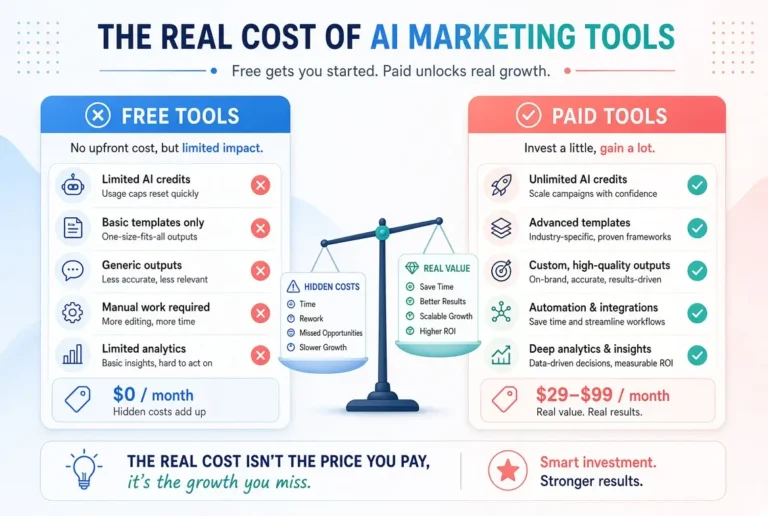
Are Free AI Copywriting Tools Good Enough for Blogging?
Free versions work fine for short-form content like social captions or quick email drafts, but serious bloggers producing long-form, SEO-focused content usually get better results from paid plans with research and optimization features included.
Pick one tool from this list, test it on your next piece of content, and see how much time it actually saves you. For more straightforward breakdowns of AI tools built for everyday marketers, The Non-Tech AI keeps the learning curve short so you can get back to creating.